Botanicals · India
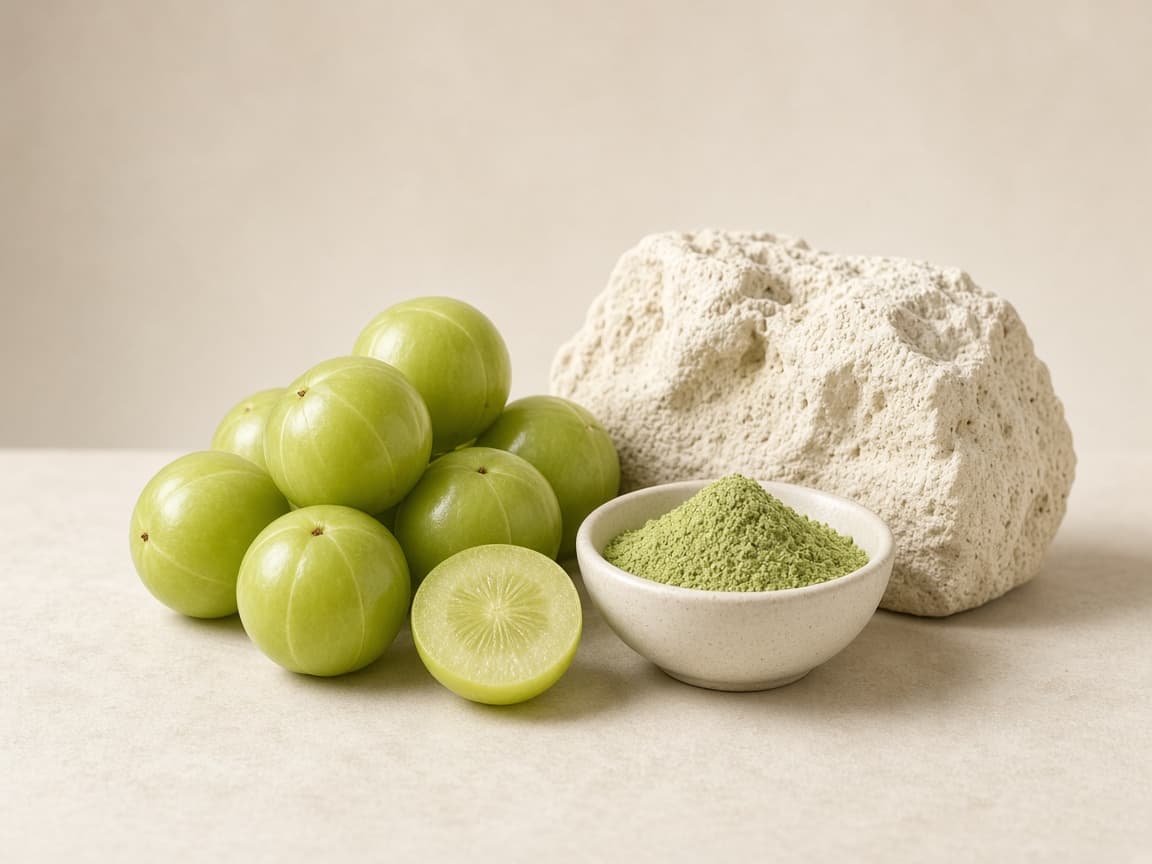
Amla Fruit
Phyllanthus emblica
Dried amla fruit for traditional, food and ingredient applications.
Indicative price range
USD 1.5–4 / kg
FOB India, indicative range for dried fruit — final price on enquiry
Indicative only — request a quote for current availability and final pricing.
Typical composition
Indicative ranges that vary by harvest, origin, grade and processing method.
| Compound | Typical range | Note |
|---|---|---|
| Vitamin C (natural content) | Varies by processing | Sensitive to heat; freeze-dried grades differ from sun-dried |
| Polyphenols & tannins | Present in notable amounts | Affects astringency and colour |
These figures are for general reference only and do not constitute a guarantee of composition for any specific batch.
Traditional uses & commonly associated benefits
Based on traditional and folk use. This information is not intended to diagnose, treat or cure any disease.
- A cornerstone fruit in Ayurvedic rasayana preparations
- Consumed as dried fruit, powder and in chyawanprash-style formulations
- Used in hair-care oils and traditional tonics
Antioxidant-rich fruit
Amla is widely regarded as a nutrient-dense botanical fruit used in traditional rejuvenation and wellness products.
Hair & beauty applications
Commonly featured in hair oils, shampoos and beauty supplements in South Asian markets.
How it is used
Powder & extract manufacturing
Dried fruit is milled or extracted for use in supplements, beverages and cosmetic actives.
Traditional preparations
Whole or sliced fruit used in decoctions, jams and Ayurvedic compound formulations.
Blending & finished-product ideas
Chyawanprash-style spreads
Combined with honey, ghee and multiple herbs in traditional paste formulations.
Vitamin C beverage blends
Pairs with moringa, acerola or citrus in functional drink premixes.
Make with Amla Fruit
Kitchen ideas using this botanical — including mixes with other NATRIGANIC herbs.
snack
Amla apple spoon sweet
18 min · about 180 kcal
Sweet · Tart · Cold / cooling · Warm
Amla Fruit
lunch
Amla cucumber yogurt bowl
10 min · about 180 kcal
Savoury · Spicy · Tart · Warm · Creamy
Amla Fruit
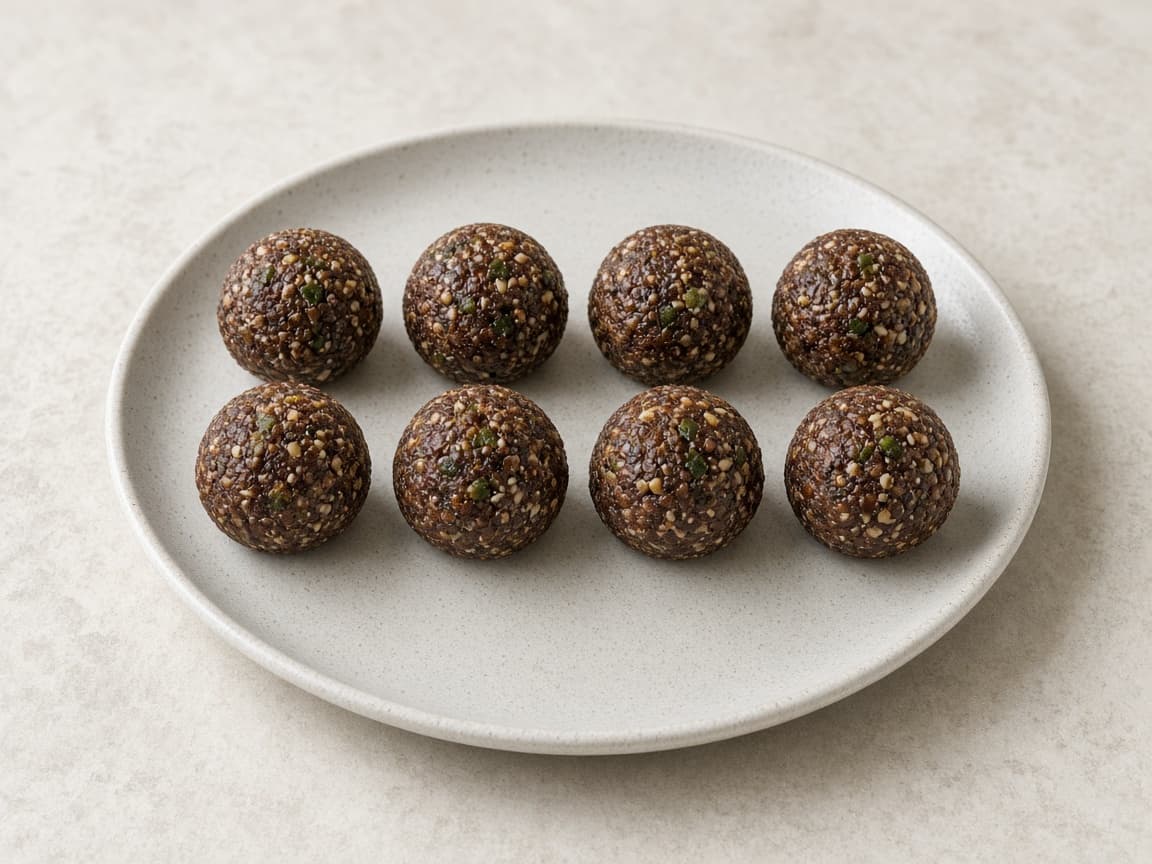
snack
Amla date energy bites
15 min · about 95 kcal
Sweet · Tart · Crunchy
Amla Fruit
snack
Amla date moringa bites
15 min · about 95 kcal
Sweet · Tart · Warm · Crunchy
Amla FruitMoringa Leaf Powder
Blend with other NATRIGANIC herbs
These recipes mix Amla Fruit with another botanical from the catalog.
Available forms
- Whole
- Slices
- Powder
FAQ
Yes. NATRIGANIC is structured for B2B bulk supply. Share your product name, required grade or form, quantity, packaging preference and destination market when requesting a quote so we can respond accurately.